2026-06-26 · 5 min read
The household tax deduction and a private chef: how it works
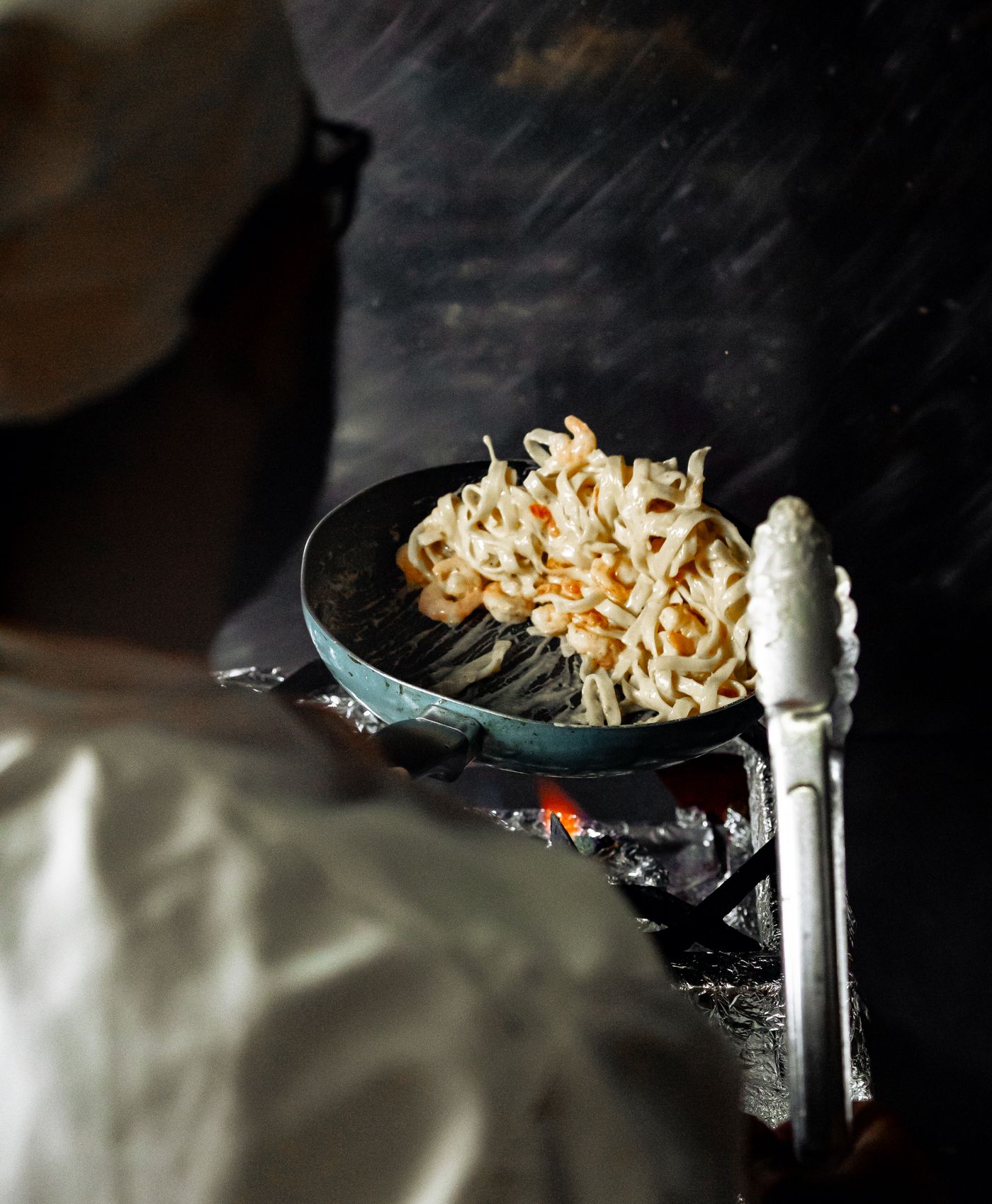
Yes, when a private chef cooks in your home, the labour share of the invoice can qualify for the Finnish household tax deduction (kotitalousvähennys). Ingredients don’t qualify, so I list them separately on the invoice and you can see straight away which part counts.
Clients ask me about this a lot. For 2026 and 2027 the deduction is 40% of the labour share, up to €2,100 per person, with a €150 excess. The Tax Administration raised the figures on 13 October 2026, retroactively from the start of the year. They change from year to year, so always check vero.fi.
Why a chef at home counts as household work
The deduction covers work done in your home, and a chef cooking in your kitchen is exactly that. When I come to cook a private dinner in your home, I arrive about three hours before your guests, set the table, cook and serve every course, and clean the kitchen to at least the state I found it in.
The work has to happen in the payer’s home or holiday home, and it doesn’t matter whether you own or rent. A dinner at your summer cottage can qualify, and in some cases so can your parents’ or grandparents’ home. If you’re unsure how this applies to you, check vero.fi before you claim.
What the work includes
The labour share covers everything I do for the evening in your home, which is a lot more than cooking. That’s why labour makes up most of the invoice. A typical evening includes:
- Setting the table before guests arrive.
- Prep and cooking on site.
- Serving four or five courses: a welcome from the kitchen, starter, intermediate course, main and dessert.
- A short, plain word at the table about each dish and its wine.
- Espresso and cappuccino at the end, on the machine I bring along.
- Cleaning the kitchen. Glasses and plates used until the end can go in the dishwasher.
Beforehand we plan the menu together, I take allergies and diets into account, and I recommend the wines. I bring the ingredients and specialist equipment. From around 10–12 guests up, a server or kitchen helper joins me when needed.
Which part of the invoice qualifies
Only the labour share. I itemise labour and ingredients separately, so you don’t need to work anything out yourself.
Labour is typically about 60–70 % of the invoice total, and the exact split depends on the menu and its ingredients. Wine and other drinks never appear on my invoice, because you buy them yourself based on my recommendations.
Here’s an example. A dinner for eight at 150 € per guest comes to 1 200 €. If labour is 60–70 % of that, it’s roughly 720–840 €. Under the 2026 rules the deduction is 40% of that, about 288–336 €. The €150 excess is then subtracted, unless you’ve already used it on other household work that year. The final figure depends on your own tax situation.
Who claims it and how
You claim the deduction yourself, in your own taxation. My part is the invoice with labour itemised, and you always get one. There are two ways to claim:
- A tax card change in OmaVero, once you know the price of the evening and the labour share.
- Your tax return, where you report the labour share.
Spouses can split the deduction between them. If you’re hosting together, check vero.fi for how to divide it. Keep the invoice, since the labour figure on it is what you’ll enter in OmaVero.
How much you can deduct
For 2026 and 2027 the deduction is 40% of the labour share of work bought from a company. The cap is €2,100 per person per year, and the excess is €150 per person, subtracted once a year. On 13 October 2026 the Tax Administration raised the rate from 35% to 40% and the cap from €1,600 to €2,100, retroactively from the start of 2026. So the raise also covers dinners that have already happened.
A single chef evening never reaches the cap: that would take over €5,000 of labour in a year. The excess does matter, especially for small dinners. I’ve put worked examples for two, six and ten guests in a separate post.
The figures are set yearly, so check vero.fi before you run any sums. What I can say is that labour is the larger part of a chef evening’s invoice, so the deduction makes a real difference.
Why it matters
With part of the price coming back through your taxes, a dinner at home compares well with a restaurant evening, especially for a bigger group. Menus typically cost about 130–170 € per guest including VAT, depending on the menu, ingredients, number of guests and location. More guests means a lower per-guest price, while dinners for two or three cost more per guest.
You also drink your own wine. I recommend wines that are good and available at Alko, and you buy them, so you decide what the drinks cost.
And an evening at home is more relaxed. Nobody watches the clock, the kids can be there, and the menu is planned around what you want. Browse the menus across four cuisines to get an idea.
Common questions
Does the deduction cover ingredients?
No, only the labour share. That’s why ingredients sit on their own line of the invoice.
Does it work if the dinner is at my summer cottage?
Yes, work done in a holiday home can qualify like work done in your home. I travel further out by arrangement, and location and travel affect the price.
When do I get the invoice?
The same or the next day after the booking is confirmed, meaning menu, date, guest count and price are agreed. Payment terms are 7 days net, with labour already itemised.
Where do I find the current figures?
At vero.fi, which always has the current year’s percentage, excess and cap. I’ve also gathered the basics on the household tax deduction page.
Ask for a quote and I’ll itemise the labour share on the invoice for you.