2026-06-16 · 5 min read
An Italian dinner at home: how the menu is built
A classic Italian dinner at home is built on four courses: antipasti, primo, secondo and dolce, followed by espresso. When I come to cook in your home, I bring the ingredients and equipment, cook every course in your kitchen and serve them to the table one at a time.
Italian is the cuisine almost everyone loves: simple ingredients, cooked well. I worked in Italy for a while, and what stayed with me was the pace of eating there, with each course doing its own job. Here is how I put the menu together.
Antipasti opens the evening
The antipasti course wakes up the appetite and gives your guests time to settle in at the table. On my example menu it is salumi e formaggi: Italian cured meats, cheeses and toasted bread.
It is easy to pick at while glasses are filled and everyone catches up. For vegetarians I build the plate without meat, and other diets are planned the same way.
Primo: risotto or pasta
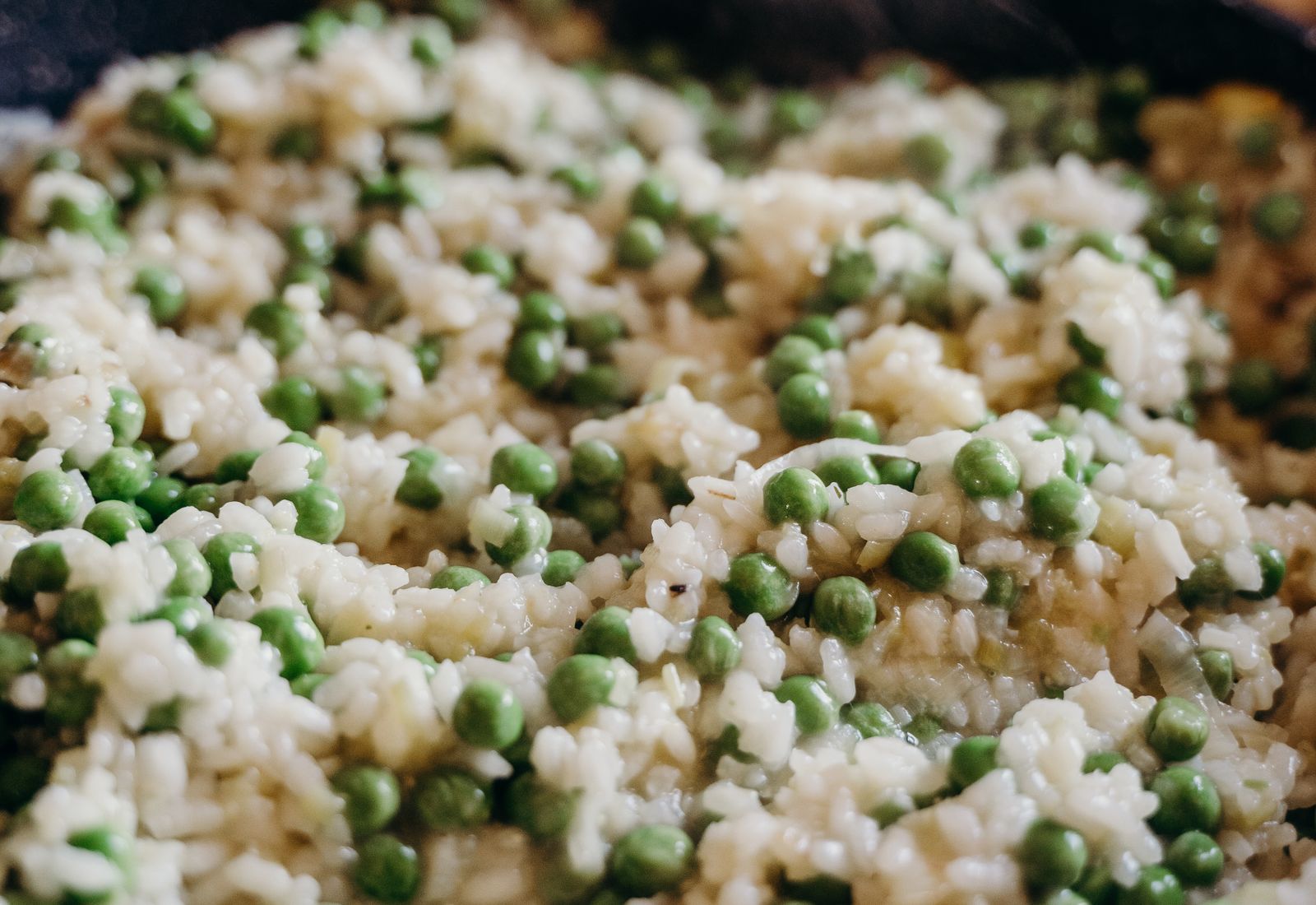
The first warm course, the primo piatto, is usually a risotto or a pasta. My favourite is risotto al tartufo, truffle risotto. It is creamy and rich, so I keep the portion modest, since there are still two courses to come.
Risotto shows why it helps to have the chef at home. It is finished right before serving and needs stirring and tasting the whole time. If the host made it, they would be stuck at the stove. This way you sit with your guests and I look after the pan.
Secondo, the main course
The secondo is the main course, and in Italy it is often meat or fish without heavy sides. On the example menu I serve saltimbocca alla Romana: veal, prosciutto and sage. It is a classic because it has few parts and the flavours are clear.
The main is also the course people change most often: fish, a vegetarian dish or something of your own. The season plays a part too. Mushrooms are at their best from August to October, and if what you want is out of season, I suggest a better alternative.
If you would like five courses, I add an in-between course before the main, often a fresh granita or sorbet to clean the palate.
Dolce and espresso to finish
Italian desserts are light. The dolce on the example menu is panna cotta al caramello: silky panna cotta with caramel, just sweet enough after a long evening.
Then I make espressos and cappuccinos on the espresso machine I bring along.
A wine for every course
Once the booking is confirmed, I recommend a wine for each course, or a single wine that carries the whole meal. You buy the wines yourself, so you are drinking your own wine in your own home. My rule is simple: the wine has to be good, rated at least 4.0 on Vivino, and available at Alko.
A lighter white often suits the antipasti and a firmer red the main, but it depends on the dishes. At the table I explain briefly why each wine works. An alcohol-free pairing can be planned as well.
Why an Italian evening works at home
The Italian way of eating suits a home because nobody is in a hurry. It is more relaxed than a restaurant: your own wines, the kids can be there, and no one watches the clock.
A private chef dinner works for 2–15 guests. With around 10–12 guests or more, a server or kitchen helper joins when needed. If you are short of plates and glasses, tableware can be rented through our partner Jubilee.
Your menu, your way
Everything above is an example. Each menu takes shape around your group, allergies and the season. Gluten-free, lactose-free, dairy-free, vegetarian and vegan menus are planned the same way as any other. Let me know about allergies by the time we confirm the menu.
In practice it goes like this: you send an inquiry, I reply about the date and suggest menus with a price estimate, and then we refine the menu together. On the day I arrive about three hours before your guests, set the table and prepare the food. At the end I clean the kitchen to at least the state I found it in. You can read more about how the evening runs on the private chef at home page.
Common questions
How much does an Italian dinner at home cost?
Menus are typically about 130–170 € per guest including VAT. The price depends on the menu, ingredients, group size and location, and the per-guest price goes down as the group grows. The labour share may qualify for the Finnish household tax deduction; check the current terms at vero.fi.
The price covers menu planning, wine recommendations, ingredients, cooking, service, table setting, espresso drinks and clean-up. Wines and other drinks, tableware and table linen are not included.
Is an ordinary home kitchen enough?
Yes. I bring the specialist equipment. For nine or more guests I ask about the kitchen in advance.
How far ahead should I book?
Typically 1–2 months ahead, and the earlier you ask, the more dates are open. Even at short notice, say for next weekend, it is worth asking.
What if the guest count changes or we need to cancel?
Changes to the guest count are free with at least three days’ notice. You can cancel the whole dinner free of charge more than three days before; after that, 50 % is charged.
Want an Italian evening at home? See the example menu or get in touch.