2026-06-24 · 5 min read
Italian, Scandinavian, Spanish or French?
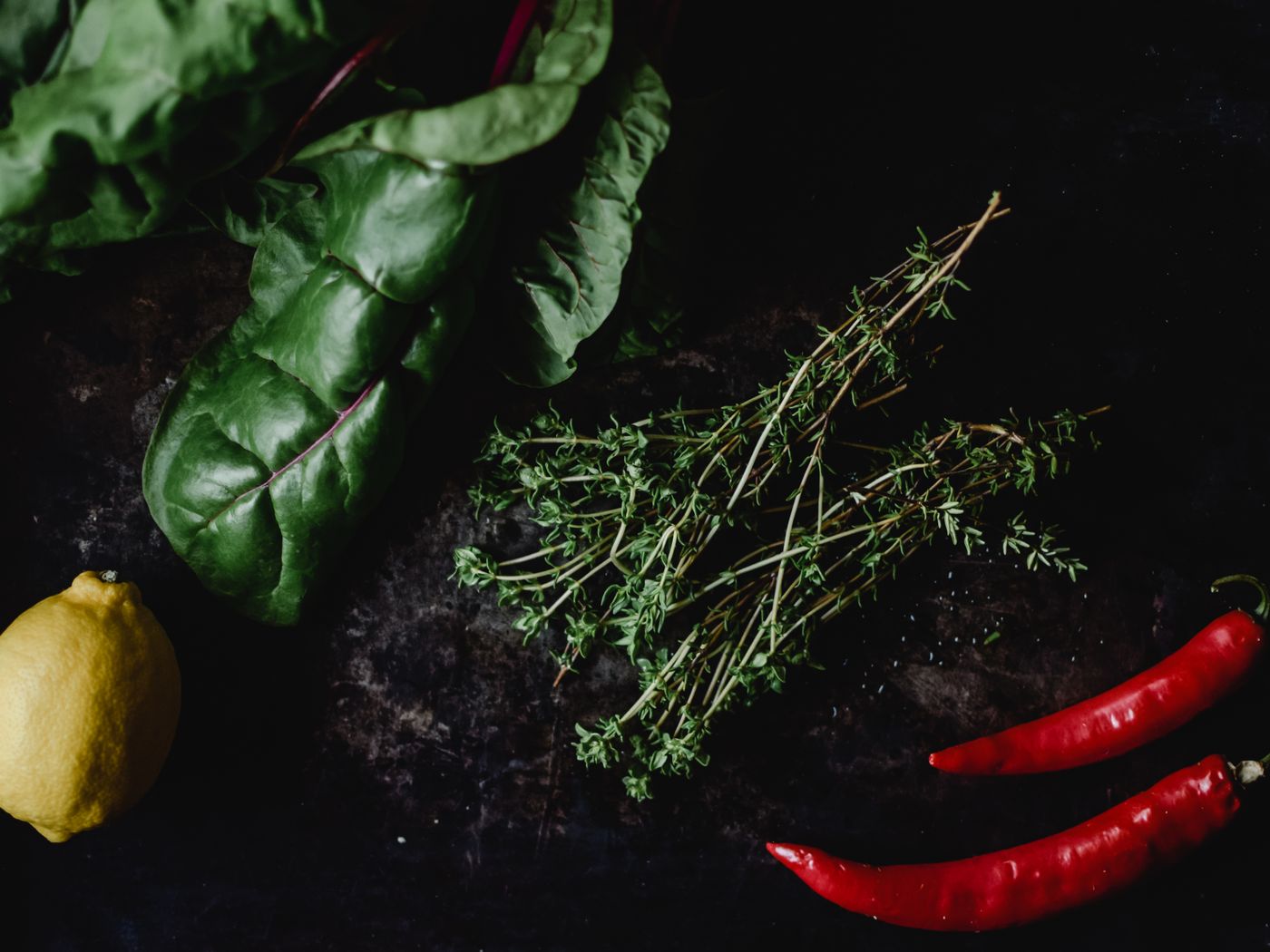
Pick the cuisine that matches the evening you want: Italian works for almost any group, Scandinavian puts the season and fish at the centre, Spanish turns dinner into sharing and conversation, and French is the classic choice for a celebration. If none of them feels quite right, we design a menu together from scratch.
I have cooked in the Helsinki region since 2012, in a number of Helsinki restaurants and for a while in Italy, and these are the four cuisines I focus on. The example menus are starting points you are free to change. They show what clients have ordered and what works in a home kitchen.
Italian: the safe bet that suits almost everyone
If you don’t know your guests’ tastes well, Italian is the safest choice: the classic everyone loves, simple ingredients cooked well.
The menu follows the Italian order: antipasti, a primo of pasta or risotto, a secondo and finally a dolce. The example menu opens with salumi e formaggi, moves on to risotto al tartufo, has saltimbocca alla Romana as the main and finishes with panna cotta al caramello. It feels generous and relaxed, and with very different eaters at the table it is the easiest menu to start from.
More on this in my post on hosting an Italian dinner at home.
Scandinavian: the season and fish in the lead
Choose Scandinavian when you want something local that follows the time of year. It is built on quality ingredients, sourced locally where possible, with plenty of fish and seafood.
The example menu starts with cured salmon (graavilohi), followed by cauliflower soup and a champagne granita. The main is Arctic char with cauliflower purée, and dessert is chocolate three ways.
The season shows on the plate: Finnish berries from summer to early autumn (frozen in winter), mushrooms from August to October, chanterelles from midsummer to early autumn. Fish availability depends on the season too, and if something is out of season I’ll suggest a better alternative.
Spanish: shared plates and a social table
A Spanish evening suits a group that wants to talk, taste and pass dishes around. The tapas are shared, so the mood is looser than a traditional plated menu.
The example menu includes atún rojo, pulpo, serrano, gambas al ajillo, scallops and Mediterranean fish, with crema catalana to finish. The plancha grill belongs to this style. It is based on a real Spanish night that went really well. If some guests are meeting for the first time, sharing plates gets the conversation going.
French: classic and celebratory
Go French when the evening is a celebration and should feel special. It means the classics everyone knows: butter, sauces and technique.
The sample menu has a foie gras toast, French onion soup, a small cheese course and bœuf bourguignon. This food needs precision and timing, so it suits a dinner with a chef in your kitchen: you sit at the table with your guests while I look after the sauces and the timing.
How to choose for your group
Think about the occasion and the guests before the food. A few questions help:
- Do the guests know each other? If not, Spanish sharing plates help everyone relax.
- Is it a milestone? French brings a sense of occasion.
- Are there children or cautious eaters? Italian is the easiest.
- What time of year is it? Mushrooms in autumn, berries in summer, and a Scandinavian menu follows both.
What stays the same whichever cuisine you pick
The cuisine changes the plates, but the evening runs the same way. I arrive about three hours before your guests with the ingredients and specialist equipment, set the table and start the prep.
A menu usually has four or five courses: a welcome from the kitchen, a starter, an intermediate course (often a granita or sorbet), the main and dessert. I serve every course myself and say a few words about each one. Espresso and cappuccino come at the end from the machine I bring. Afterwards I leave the kitchen at least as clean as I found it.
I recommend a wine for each course, or one wine that carries the whole meal. My rule is wines that are good (rated at least 4.0 on Vivino) and available at Alko, and you buy them. Alcohol-free pairings can be planned too. More in my post on wine at a private chef dinner.
Or we design your own
You can mix cuisines, swap the main or ask for something else entirely, and wishes beyond these four are welcome. Every menu is shaped around your group, diets and the season.
Send me the date and your wishes by form, email or phone. I reply with menu suggestions and a price estimate, we refine the menu together, and the booking is confirmed once menu, date, guest count and price are agreed.
Common questions
Can I combine different cuisines in one menu?
Yes. Tell me which dishes you like and I’ll put together a menu where the courses work well one after another.
Is one cuisine better for special diets?
Not really. Gluten-free, lactose-free, dairy-free, vegetarian and vegan menus are planned the same way in every cuisine. Let me know about allergies by the time we confirm the menu.
Does the cuisine affect the price?
Menus are typically about 130–170 € per guest including VAT. The exact figure depends on the menu, ingredients, group size and location, and comes with the menu suggestion.
See the example menus or tell me your wishes, and we’ll build your dinner together.